
If you’re processing more than a handful of images, manually removing watermarks stops being an option. You need an API. Something you can call from your backend, plug into your automation workflow, or embed directly in your product. The question is which API watermark removal actually works well enough to trust at scale.
We tested five watermark removal APIs across price per image, output quality, supported formats, response time, and how easy they are to integrate. This guide gives you the real numbers, what each API does well, where each one falls short, and a clear recommendation based on what you’re building.
5 Watermark Removal APIs at a Glance
We compared five watermark removal APIs on six criteria that matter to developers: price per image at different volumes, supported formats, batch processing, response time, privacy policy, and API documentation quality. Here’s what the numbers look like side by side.




| API | Price per image | Batch support | Response time | Formats | Privacy | Free tier |
|---|---|---|---|---|---|---|
| Dewatermark | $0.008–$0.15 | Yes | 2–5 seconds | JPG, PNG | Deleted after 1 hour | 3 images/day |
| PicWish | $0.02–$0.10 | Yes | ~3 seconds | JPG, PNG, WEBP, BMP | GDPR, ISO certified, stored on local server | 50 free credits on signup |
| WatermarkRemover.io | $0.016–$0.10 | Yes | Not disclosed | JPG, PNG | Not disclosed | No |
| RapidAPI Watermark Removal AI | Via RapidAPI marketplace | Limited | Not disclosed | JPG, PNG | RapidAPI policy | Free tier on RapidAPI |
| Apify Watermark Remover | $0.03 | Yes | Under 60 seconds | JPG, PNG, WEBP | Apify policy | $5 free credits on signup |
Volume pricing matters significantly. At 100 images/month, Dewatermark costs $15 and WatermarkRemover.io costs $19.99. At 5,000 images/month, Dewatermark drops to $140 while WatermarkRemover.io stops offering public plans at that scale. PicWish becomes the lowest per-image cost at high volume – $119.95 for 5,000 images.
Dewatermark API: Best for Dedicated Watermark Removal at Scale
Dewatermark is built specifically for watermark removal, not a general image editing platform with watermark removal added as a feature. That focus shows in the results. The API handles text watermarks, logo stamps, diagonal overlays, and low-opacity transparent watermarks with consistent accuracy across different image types and backgrounds.
Authentication uses a Bearer Token. The endpoint accepts image URLs or base64-encoded data. Responses come back in 2 to 5 seconds for most images. The API supports both single-image and batch requests, and uploaded files are auto-deleted after one hour — which matters if you’re processing sensitive or licensed content.
| Input | Output |
 |
 |
To see more about Dewatermark’s AI models, test and results: Refer to the blog post: DeWatermark Pro Remove 4.0 Launch: Better Watermark Removal at 3x Lower Cost
Dewatermark API Pricing
| Volume (images) | Total cost | Cost per image |
|---|---|---|
| 100 | $15 | $0.15 |
| 200 | $15 | $0.075 |
| 500 | $25 | $0.05 |
| 1,000 | $40 | $0.04 |
| 5,000 | $140 | $0.028 |
| 10,000 | $200 | $0.02 |
| 50,000 | $600 | $0.012 |
| 100,000 | $800 | $0.008 |
| 200,000+ | Contact sales | Custom |
The free tier gives you 3 images per day — enough to test integration and validate output quality before committing to a plan. There’s no subscription required; you pay per image processed.
How to Integrate Dewatermark API
Get your API key from your account under API Management after subscribing. The endpoint is a standard REST POST request:
POST https://api.dewatermark.ai/v1/remove
Authorization: Bearer YOUR_API_KEY
Content-Type: application/json

{
  "image_url": "https://your-bucket.com/image.jpg"
}
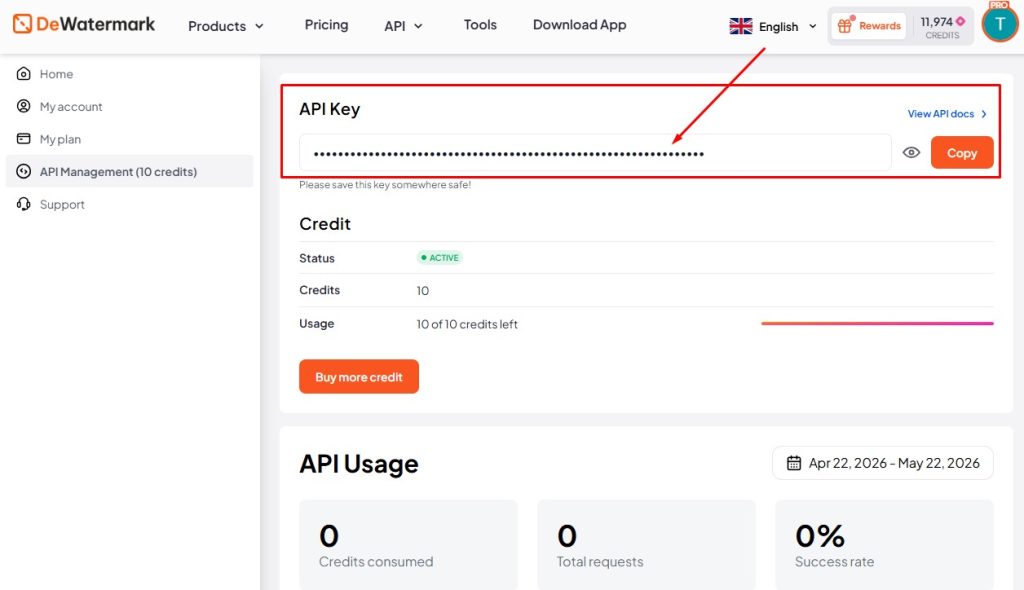
Response returns the cleaned image as a URL or base64 string depending on your configuration. The full documentation covers error codes, rate limits, and batch request format.
Best for: E-commerce platforms cleaning supplier images, content moderation workflows, stock photo platforms, image automation pipelines that need dedicated watermark removal without general-purpose overhead.
Limitation: Currently supports JPG and PNG. No WEBP output. Video watermark removal is separate.
View Dewatermark API pricing and documentation →
PicWish Watermark Removal API: Best for Multi-Tool Image Platforms
PicWish is an image editing platform built by Apowersoft, with a suite of APIs covering background removal, photo enhancement, colorization, compression, and watermark removal. If you need more than just watermark removal — say, you’re building an image processing pipeline that also needs background removal or photo enhancement. PicWish lets you handle all of it under one API key and one credit balance.
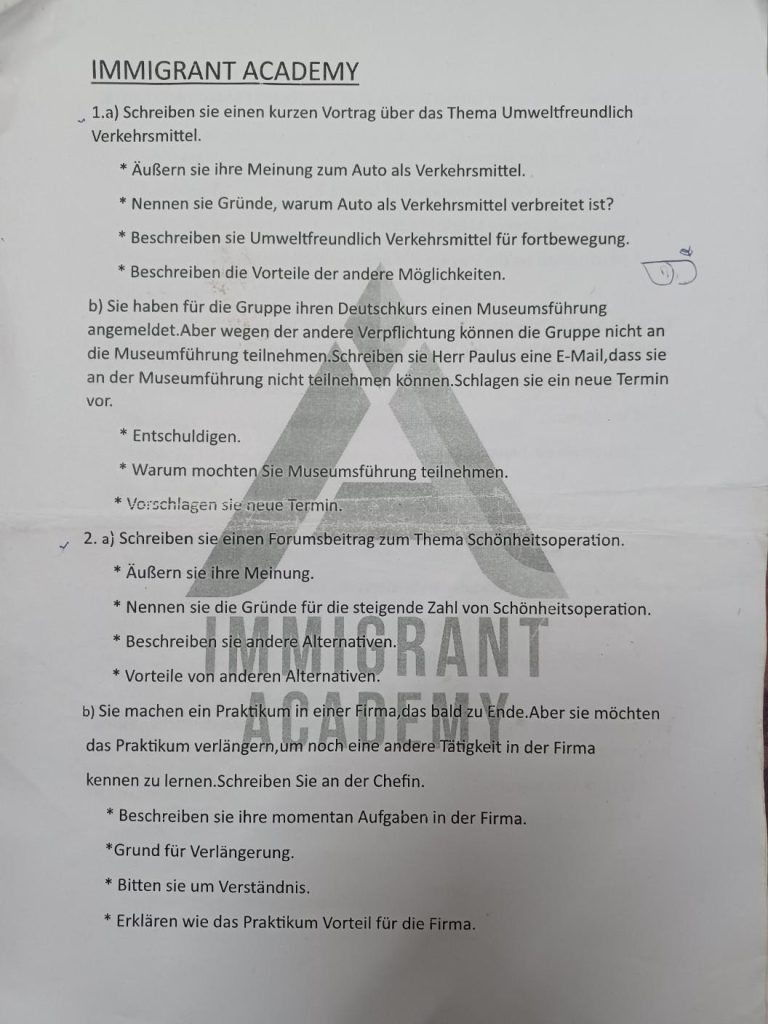
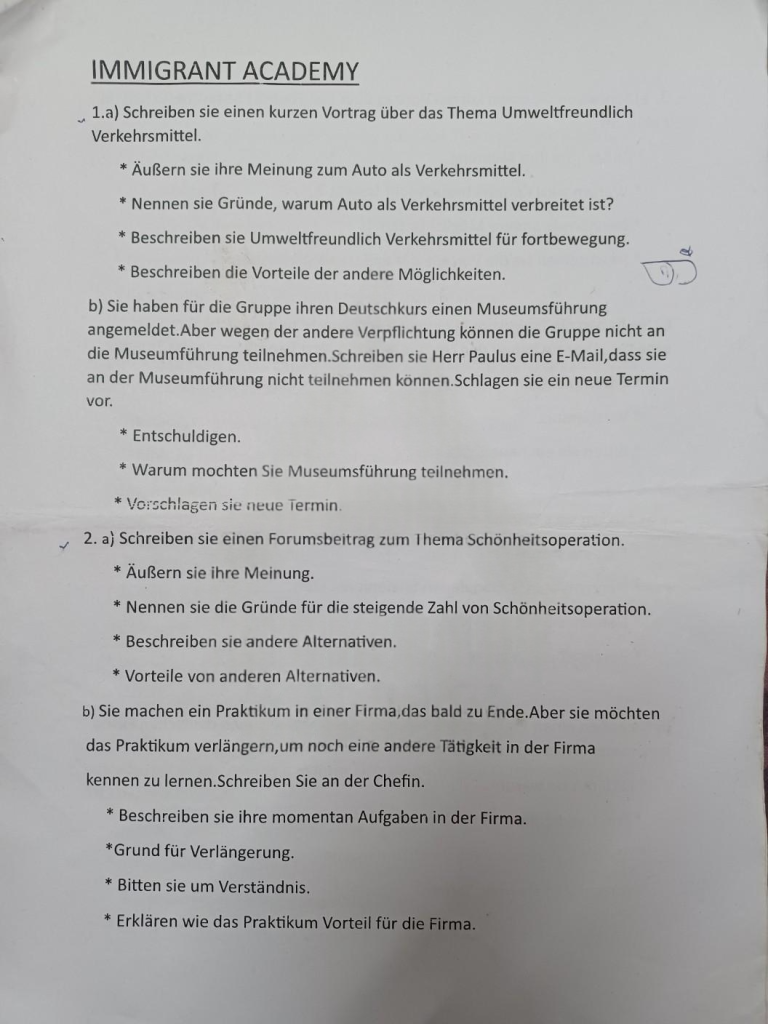
Watermark removal costs 2 credits per image. PicWish’s deep learning models are trained on what they describe as billions of real-world images. In testing, the API performs well on logo-style watermarks and semi-transparent text overlays. Results are clean on plain and moderately complex backgrounds. Heavily textured backgrounds or overlapping detailed watermarks are less consistent.
| Input | Output |
 |
 |
PicWish API Pricing
| Volume (images) | Total cost | Cost per image |
|---|---|---|
| 100 | $9.99 | $0.10 |
| 500 | $14.99 | $0.03 |
| 1,000 | $19.95 | $0.02 |
| 5,000 | $119.95 | $0.024 |
| 10,000 | $219 | $0.022 |
Note: PicWish credits are API-exclusive — they cannot be used in the consumer web app. API credits and subscription credits are separate pools. PicWish is ISO/IEC 27001 and ISO/IEC 27701 certified and GDPR compliant, a meaningful advantage for platforms operating in Europe or handling regulated data. Data is stored on local servers.
Best for: Platforms that need multiple image processing operations — not just watermark removal — and want to consolidate under a single API. Lower per-image cost at high volume compared to most competitors.
Limitation: Watermark removal is one function in a general-purpose platform. If watermark removal quality is the sole priority, a dedicated API produces more consistent results. API credits cannot be shared with consumer account.
View PicWish API documentation →
3. WatermarkRemover.io API — Best for Simple Integration with Predictable Output
WatermarkRemover.io is a focused watermark removal tool built by the team behind PixelBin.io. The API accepts image uploads and returns cleaned versions through a straightforward RESTful interface. It performs consistently on logo-style watermarks, semi-transparent text overlays, and repetitive pattern watermarks — the most common types encountered in commercial workflows.
The interface is clean and the documentation is developer-friendly. There’s a free tier with 3 credits for 3 images, entry-level pricing is accessible. The API does not offer manual zone selection, everything is handled automatically by the model.
| Input | Output |
 |
 |
WatermarkRemover.io API Pricing
| Volume (images) | Pay As You Go | Yearly plan | Cost per image |
|---|---|---|---|
| 100 | $19.99 | — | $0.20 |
| 200 | $19.99 | — | $0.20 |
| 500 | $24.99 | — | $0.05 |
| 1,000 | $40 | — | $0.04 |
| 5,000+ | Not available | $80/year | $0.016 |
WatermarkRemover.io does not publish response time or data retention policy in its public documentation. The pricing model is subscription-based, which suits platforms with predictable monthly volumes but is less efficient for irregular or bursty processing workloads.
Best for: Developers who want clean, predictable output on common watermark types without complexity. Good fit for small-to-medium platforms with stable monthly volume under 5,000 images.
Limitation: No public high-volume pricing. No data retention transparency. Entry-level cost per image is the highest of the five APIs at 100 images/month.
View WatermarkRemover.io API →
RapidAPI Watermark Removal AI: Best for Rapid Prototyping and Testing
The Watermark Removal AI on RapidAPI is accessible through the RapidAPI marketplace — which means you get a single API key, unified billing, and access alongside hundreds of other APIs. It’s not a dedicated platform; it’s a single endpoint that accepts images and returns cleaned versions through the RapidAPI infrastructure.
The practical advantage is the testing workflow. RapidAPI provides an in-browser testing console, auto-generated code snippets in multiple languages, and a free tier. If you want to evaluate watermark removal quality in your specific use case before writing integration code, RapidAPI is the fastest way to get a result.
RapidAPI Pricing Model
Pricing on RapidAPI is set by the individual API provider and displayed on the API’s pricing page. The Watermark Removal AI on RapidAPI follows a tiered plan structure with a free entry tier. Paid tiers are priced per month with request limits. The RapidAPI marketplace also handles rate limiting, monitoring, and analytics through a unified dashboard — reducing setup overhead for teams already using RapidAPI for other services.
Best for: Prototyping and early-stage integration testing. Teams already using RapidAPI for other services who want to add watermark removal without onboarding a new vendor. Developers who want to evaluate output quality quickly with minimal setup.
Limitation: You’re dependent on RapidAPI’s infrastructure and the underlying provider’s uptime. Less suitable for high-volume production workloads where direct API relationships and SLA guarantees matter. Response time transparency is limited.
View Watermark Removal AI on RapidAPI →
Apify Watermark Remover: Best for Automation Workflows
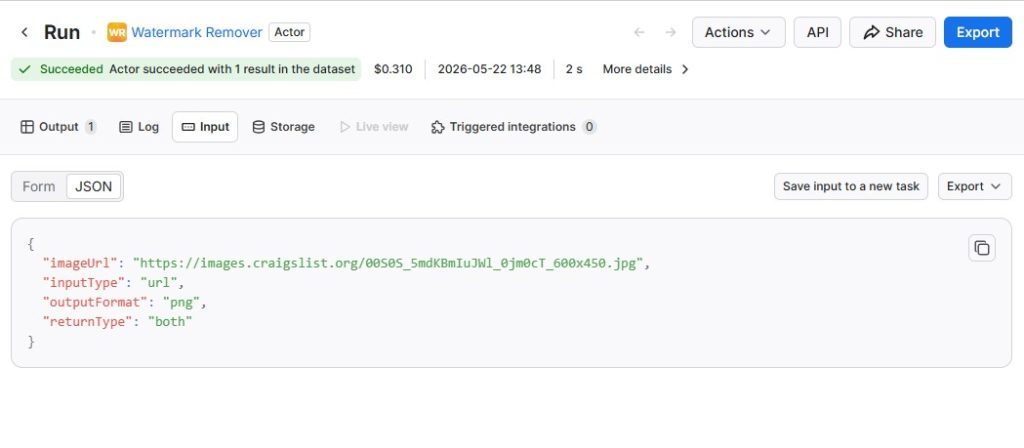
Apify is a web scraping and automation platform. Its watermark remover is one of thousands of “Actors” — containerized tools — available on the Apify platform. What makes it relevant here is how it fits into automation stacks: the Apify watermark remover integrates natively with n8n, Make.com, and Zapier, which means you can add watermark removal to no-code or low-code automation workflows without writing API integration code from scratch.
Pricing is flat: $0.03 per image, regardless of volume. There’s no monthly minimum or subscription. Apify gives new accounts $5 in free credits — about 166 free image removals — which is genuinely useful for testing at realistic volumes. The tool supports JPG, PNG, and WEBP, and processes batches with results in under 60 seconds.
Apify Pricing
| Volume (images) | Total cost | Cost per image |
|---|---|---|
| 100 | $3.00 | $0.03 |
| 500 | $15.00 | $0.03 |
| 1,000 | $30.00 | $0.03 |
| 5,000 | $150.00 | $0.03 |
| 10,000 | $300.00 | $0.03 |
The flat $0.03/image rate is simple to budget. At low volume it’s the cheapest option. At high volume (5,000+ images), Dewatermark and PicWish both undercut it significantly.
Best for: Non-developer teams who need watermark removal inside automation tools like n8n, Make.com, or Zapier. Startups processing irregular volumes who want predictable per-image pricing without subscriptions. A good first API for teams new to programmatic image processing.
Limitation: The Apify platform adds a layer of abstraction between your workflow and the underlying model — less suitable when you need direct API control, custom headers, or tight latency requirements. At high volume, flat pricing becomes more expensive than volume-discounted alternatives.
View Apify Watermark Remover →
How Watermark Removal Quality Compares Across APIs
Pricing is only part of the decision. Output quality varies meaningfully between APIs — particularly on complex watermarks, low-opacity overlays, and detailed backgrounds. Here’s what we found when testing the same images across multiple APIs.
Simple Logo Watermark on Plain Background
All five APIs handle this case well. Results are clean across the board with no visible artifacts. For this watermark type, the differentiation is price and speed — not quality.
Transparent or Low-Opacity Watermark
This is where APIs diverge. Dewatermark’s PRO Remove model is specifically trained for watermarks at opacity levels below 0.05 — the most demanding case. PicWish produces good results on most transparency levels. WatermarkRemover.io handles semi-transparent overlays well on uniform backgrounds but struggles when transparency is combined with a detailed or textured background. Apify and RapidAPI produce acceptable results on moderate transparency but are less reliable on very low-opacity marks.
Diagonal or Full-Frame Watermark
Full-frame and diagonal watermarks are the hardest case. Dewatermark handles them with its PRO Remove model. PicWish performs well on repetitive patterns. WatermarkRemover.io produces the most natural reconstruction on this type based on our testing. Apify and RapidAPI show more residue on dense diagonal overlays.
Which Watermark Removal API Should You Use?
After testing all five APIs across price, quality, and integration, the answer depends on what you’re building — not on a single “best” API for everyone.
Choose Dewatermark API if:
- Watermark removal is a core function in your product, not a secondary feature
- You need to handle complex watermarks — transparent overlays, diagonal patterns, multi-layered marks
- You’re processing 1,000+ images per month and want volume discounts that scale down to $0.008/image
- Privacy and data deletion matter — files are auto-deleted after one hour
- You want a dedicated API trained specifically on watermarks, not a general image editor
Choose PicWish API if:
- You need multiple image operations — background removal, enhancement, compression — under one API key
- You’re processing at high volume (5,000+ images/month) and want the lowest per-image cost
- Your platform requires GDPR compliance and ISO certification
- You’re building for enterprise clients who require documented data security standards
Choose WatermarkRemover.io if:
- You want a focused, clean API with predictable subscription pricing
- Your watermark types are standard — logos, text overlays, semi-transparent stamps
- You’re processing under 5,000 images/month with consistent volume
Choose RapidAPI Watermark Removal AI if:
- You’re in the prototyping or evaluation phase and want to test quality before committing
- You already use RapidAPI for other services and want to add watermark removal without a new vendor
- Speed of integration matters more than optimal per-image cost
Choose Apify Watermark Remover if:
- You’re building automation workflows in n8n, Make.com, or Zapier
- You’re a non-developer or small team who needs watermark removal without writing integration code
- You want a flat, predictable $0.03/image price with no subscription commitment
- You’re processing under 1,000 images/month where the flat rate is cost-competitive
The Bottom Line
For most product teams building image processing into a commercial platform, Dewatermark API is the strongest choice — it’s the only one of the five built entirely around watermark removal, it handles the hardest cases better than general-purpose tools, and its volume pricing scales well from startup to enterprise. PicWish is the better pick if you need multiple image operations under one API or if you’re operating at high volume where per-image cost is the primary driver. Apify is the right starting point if you’re not writing code and need watermark removal inside an automation tool today.
Frequently Asked Questions
- What is a watermark removal API?
- A watermark removal API is an HTTP endpoint that accepts an image as input and returns a cleaned version with the watermark erased. The AI model detects the watermark layer, removes it, and reconstructs the background beneath using inpainting. You send the image, receive the cleaned output — no manual editing required.
- How much does a watermark removal API cost?
- Cost per image ranges from $0.008 (Dewatermark at 100,000 images/month) to $0.20 (WatermarkRemover.io at 100 images/month). Most APIs use volume-based pricing — the more images you process per month, the lower the per-image cost. Apify charges a flat $0.03 per image regardless of volume. PicWish is the lowest cost at high volume, reaching $0.02/image at 1,000 images/month.
- Which watermark removal API has the best quality?
- For simple watermarks on plain backgrounds, all five APIs produce acceptable results. For complex cases — transparent overlays, diagonal full-frame patterns, multi-layered marks — Dewatermark’s dedicated model produces the most consistent results. PicWish and WatermarkRemover.io are strong on standard logo and text watermarks. Apify and RapidAPI are reliable on straightforward cases.
- Do watermark removal APIs store my images?
- Policies differ. Dewatermark auto-deletes files after one hour and uses SSL/TLS encryption in transit. PicWish is GDPR compliant and ISO certified, storing data on local servers with documented security standards. WatermarkRemover.io does not publish a clear data retention policy. Apify and RapidAPI operate under their respective platform policies. If data privacy is a requirement, Dewatermark or PicWish are the most transparent options.
- Can I test a watermark removal API for free?
- Yes. Dewatermark offers 3 free images per day on the web tool. Apify provides $5 in free credits on signup (~166 free images). PicWish gives 50 free API credits on signup. RapidAPI offers a free tier on its marketplace plan. WatermarkRemover.io does not have a free tier.
- Which API is best for automation workflows like n8n or Make.com?
- Apify integrates natively with n8n, Make.com, and Zapier — no custom API code required. If you’re building no-code or low-code automation, Apify is the simplest path to adding watermark removal to your workflow.
- Can watermark removal APIs handle batch processing?
- Yes — Dewatermark, PicWish, WatermarkRemover.io, and Apify all support batch processing. RapidAPI’s implementation has limited batch support. Dewatermark’s batch mode handles up to 50 images simultaneously via the web tool; the API supports parallel requests at scale.
- Is it legal to use a watermark removal API?
- Using a watermark removal API is legal on images you own, have licensed, or have explicit permission to modify. Removing watermarks from copyright-protected images without permission may violate copyright law and the terms of the content platform. All five APIs include legal disclaimers advising users to only process images they have rights to.
Start Removing Watermarks with Dewatermark API
Dewatermark API is available now with a free tier of 3 images per day — no credit card required to test. Volume plans start at $15 for 100 images and scale down to $0.008 per image at high volume.