DMCA, or Digital Millennium Copyright Act, provides a legal framework designed to protect copyrighted works in the digital environment while also defining responsibilities for websites, platforms, and service providers.
This article will explain what the DMCA is, why it was created, and how it affects online content, especially images and digital media that are commonly protected with watermarks. Understanding the DMCA is essential for anyone who creates, publishes, or manages content online.
What is DMCA & key components of the DMCA
DMCA stands for the Digital Millennium Copyright Act. It is a United States copyright law that was enacted in 1998 to address copyright issues arising from the rapid growth of the internet and digital technologies.
The DMCA was created to update traditional copyright laws so they would apply more effectively to digital content, such as online images, videos, music, software, and text. Before the DMCA, existing copyright laws were not well-equipped to handle large-scale digital copying and online distribution.
In simple terms, the DMCA helps:
- Protect copyright owners from unauthorized use of their digital works
- Define how online platforms should respond to copyright infringement
- Establish legal procedures for removing infringing content from the internet
Although the DMCA is a U.S. law, its influence extends far beyond the United States. Many global websites, hosting providers, and social media platforms follow DMCA rules to manage copyright complaints and takedown requests.
The DMCA was introduced in 1998 to solve these problems by:
- Adapting copyright law to the realities of the internet
- Protecting copyright holders from unauthorized digital copying and distribution
- Implementing international copyright standards established by the World Intellectual Property Organization (WIPO)
Another key goal of the DMCA was to balance the interests of content creators and online service providers. Instead of holding platforms automatically responsible for user-generated content, the law created a system where platforms can avoid liability if they respond properly to copyright complaints.
The DMCA is made up of several important provisions that define how digital copyright protection works in practice
Anti-circumvention rules
One of the core parts of the DMCA is its anti-circumvention provisions. These rules make it illegal to bypass or disable technological protection measures that control access to copyrighted works. Examples include digital rights management (DRM) systems used to protect software, videos, music, or other digital content.
The DMCA restricts the creation and distribution of tools or services that are primarily designed to help users circumvent these protections. The goal is to prevent unauthorized access to copyrighted materials, even if the content itself is not directly copied or redistributed.
Safe harbor provisions
The DMCA also includes safe harbor protections for online service providers, such as web hosting companies, social media platforms, and content-sharing websites. These provisions protect platforms from being held legally responsible for copyright infringement committed by their users, under specific conditions.
To qualify for safe harbor protection, platforms must:
- Respond promptly to valid DMCA takedown notices
- Remove or disable access to infringing content when notified
- Have a policy for handling repeat copyright offenders
This system allows platforms to operate without constant legal risk while still respecting the rights of copyright holders.
DMCA takedown notice process
A DMCA takedown notice is a formal request sent by a copyright owner (or their authorized representative) to a website, hosting provider, or online platform, asking for the removal of content that allegedly infringes their copyright.
Once a platform receives a valid notice, it usually removes or disables access to the content to maintain its safe harbor protection under the DMCA.
The DMCA also provides a counter-notification process. If the person who uploaded the content believes it was removed by mistake or qualifies as fair use, they can submit a counter-notice. In such cases, the content may be restored unless the copyright owner takes further legal action.
How DMCA intersects with watermarks
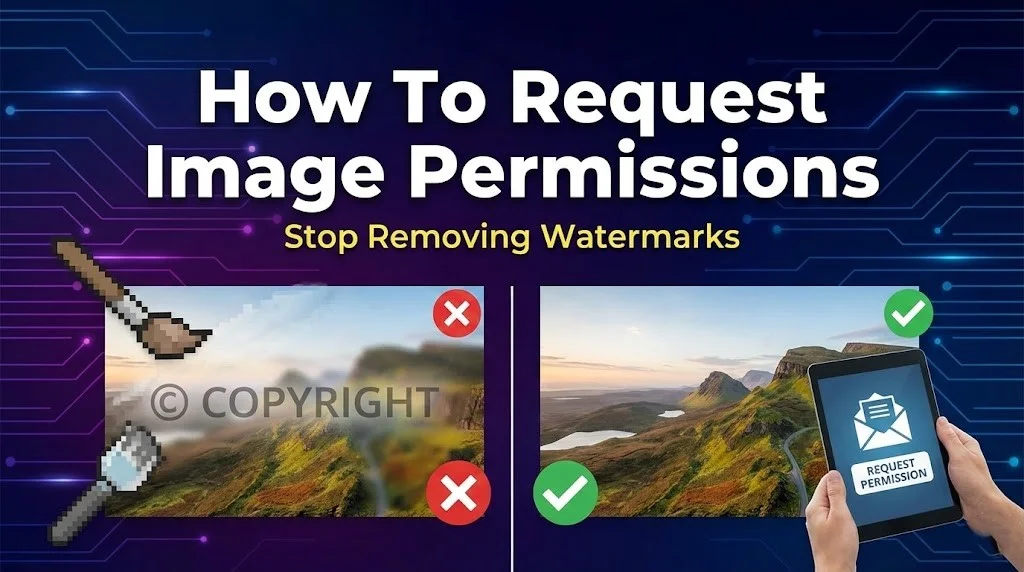
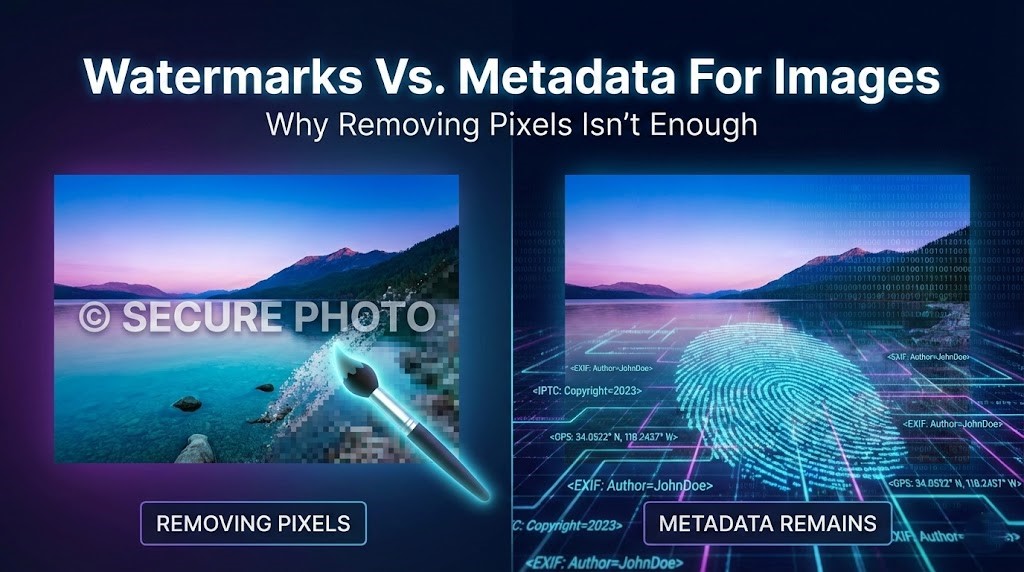
Watermarks are commonly used to signal ownership and discourage unauthorized use of digital images and media. They act as a visible reminder that the content is protected by copyright.
However, it’s important to understand the legal relationship between watermarks and the DMCA:
- Removing a watermark does not transfer copyright ownership or grant permission to use the content.
- Even if a watermark is removed using editing tools or AI solutions, the original creator’s rights remain fully protected under the DMCA.
- Unauthorized use of copyrighted content, watermark or not, may still qualify as infringement and be subject to a DMCA takedown request.
At the same time, watermark removal tools like Dewatermark.AI can be used responsibly in legitimate scenarios, such as:
- Removing watermarks from images you own or have licensed
- Cleaning up previews after purchasing stock images
- Restoring old or personal images where you hold the rights
Understanding the DMCA helps users make informed and ethical decisions when working with watermarked content, ensuring that copyright laws are respected alongside modern AI-powered tools.
You may want to know: Tips to use Google images legally
Limitations and controversies of the DMCA
While the DMCA is an important tool for protecting copyrighted content, it is not without limitations and controversy. Over the years, critics have pointed out several challenges in how the law is applied in practice.
One common concern is the misuse of DMCA takedown notices. In some cases, takedowns are submitted for content that may qualify as fair use, such as commentary, education, parody, or criticism. Because platforms often remove content quickly to avoid legal risk, legitimate content can be taken down before disputes are properly reviewed.
Another issue is the lack of penalties for false or abusive claims. Although the DMCA requires notices to be submitted in good faith, enforcement against wrongful takedowns can be difficult, leaving creators or publishers temporarily harmed by content removal.
The anti-circumvention rules have also sparked debate. Critics argue that these provisions can sometimes restrict legitimate activities, such as security research, accessibility improvements, or lawful content modification, even when no copyright infringement is intended.
Despite these limitations, the DMCA remains the primary legal framework for handling online copyright disputes. Understanding both its protections and its weaknesses helps creators, platforms, and users navigate digital content more responsibly.
For anyone working with digital media, especially images and watermarked content, understanding how the DMCA works is essential. Whether you’re protecting your own creations or using tools like Dewatermark responsibly, knowing the legal boundaries helps ensure that creativity, technology, and copyright law coexist fairly and ethically.