
Images play a central role in today’s digital world. From websites and e-commerce stores to social media and marketing campaigns, visual content helps capture attention and build trust. However, the ease of finding images online has also led to widespread confusion about what is legal to use and what is not.
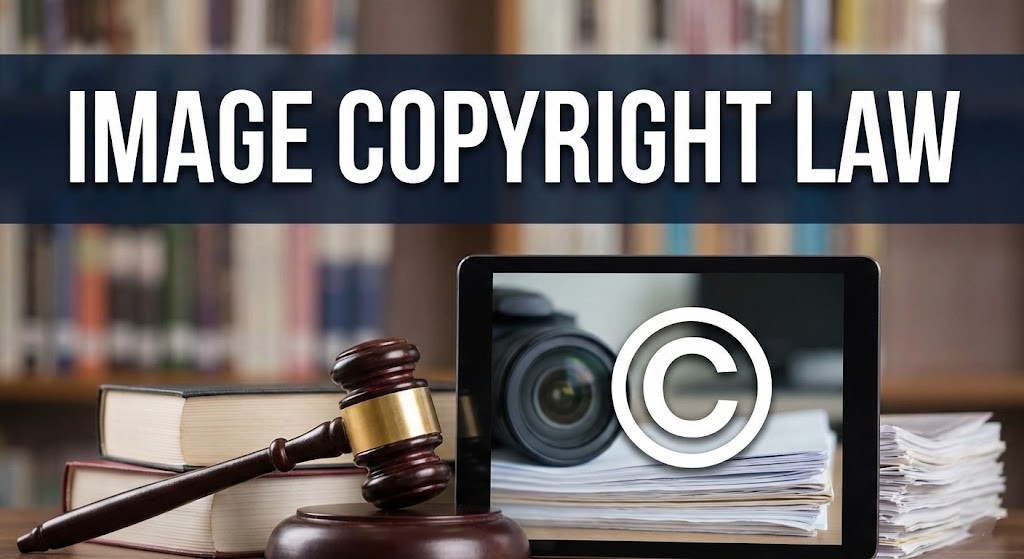
Image copyright law exists to protect creators while setting clear boundaries for users. Understanding how image copyright works can help you avoid legal issues, respect creative ownership, and use visual content responsibly in your projects.
What is image copyright?
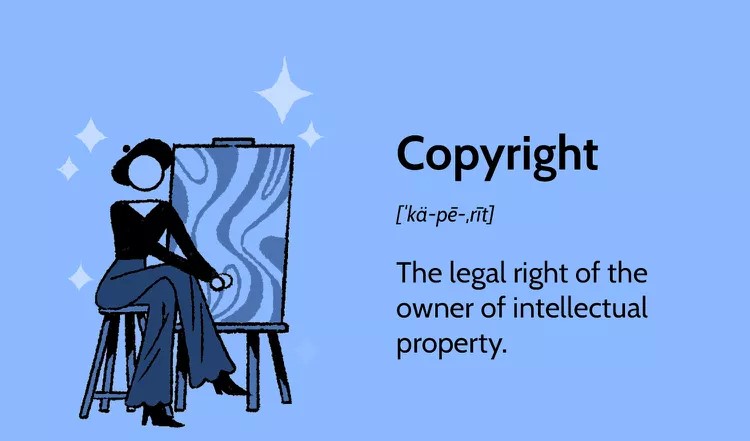
Image copyright is a form of intellectual property protection that applies to photographs, illustrations, graphics, and other visual works. Copyright protection begins automatically the moment an image is created and fixed in a tangible form, such as a digital file or printed photo. No registration or watermark is required for copyright to exist.




According to the U.S. Copyright Office, copyright “immediately becomes the property of the author who creates the work”. In most cases, this author is the photographer, designer, or artist who created the image, not the website or platform where the image is published.
Copyright gives the owner exclusive rights to reproduce, distribute, display, modify, and monetize the image. Others cannot legally use the image unless they have permission or a valid license.
It is also important to understand that copyright protects the expression of an idea, not the idea itself. For example, while anyone can photograph a sunset, copying another photographer’s specific image of that sunset without permission is a copyright violation.
For example, a blogger who copies images from Google without checking licenses. Even with no commercial intent, this can trigger DMCA takedowns. A Shopify seller might use supplier images containing logos or stock watermarks, risking infringement claims or marketplace penalties.
Common types of image licenses
While copyright defines ownership, licenses define how others may use an image.
- All rights reserved is the default copyright status. It means no one may use the image without explicit permission from the copyright holder.
- Royalty-free licenses allow broad usage rights after a one-time purchase. Despite the name, these images are not necessarily free; they simply do not require recurring payments for each use.
- Rights-managed licenses impose specific conditions, such as usage duration, geographic location, platform type, or audience size. These licenses are common for high-value commercial imagery.
Creative Commons licenses provide standardized permissions:
- CC0 places images in the public domain with no restrictions.
- CC BY allows use with required attribution.
- CC BY-NC permits non-commercial use only, also requiring attribution.
Read more: Is AI image copyrighted?
Legal and ethical ways to use images
One of the most reliable options is to purchase or license images from reputable stock libraries such as Shutterstock or Adobe Stock, which clearly define how visuals can be used in commercial and non-commercial contexts.
Creative Commons-licensed images are another lawful option, provided you follow the specific license requirements. Some licenses require attribution, while others restrict commercial use. Public domain images (often labeled CC0) carry no known copyright restrictions and can generally be used freely.
In some situations, fair use may apply. Fair use is a legal doctrine that allows limited use of copyrighted material without permission, typically for purposes such as commentary, criticism, education, news reporting, or research. Courts evaluate fair use based on four factors:
- Purpose of the use (commercial vs. educational),
- Nature of the copyrighted work
- The amount used
- The effect on the original work’s market value.
Are watermarks related to copyright protection?
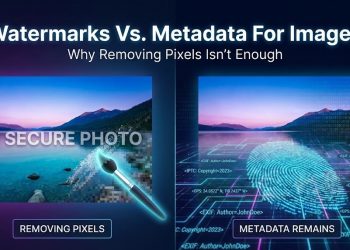
Watermarks are a visual deterrent, not a legal requirement. They are commonly used by stock photo platforms and creators to discourage unauthorized use and to indicate ownership or licensing status.
Importantly, removing a watermark does not remove copyright protection. An image remains copyrighted whether or not a watermark is visible. Using a watermarked image without permission is already unauthorized, and removing the watermark can further compound legal risk.
Watermarks function as a signal, not a substitute for licensing. Legal permission comes from licenses or agreements, not from image appearance.
How AI tools fit into modern image workflows
AI-powered image tools are increasingly becoming part of everyday digital workflows, especially in marketing, e-commerce, design, and content creation. These tools can assist with tasks such as background cleanup, resizing, enhancement, and watermark removal, helping teams work faster and more consistently across large volumes of visual assets.
However, it is important to understand that AI editing tools do not grant legal rights to an image. Removing a watermark, logo, or text using AI does not transfer ownership or override copyright protections. Copyright law focuses on who owns the original work and how it is licensed, not on how the image is edited.
Used responsibly, AI tools can support lawful and ethical workflows. For example, businesses may use AI to clean licensed stock images, prepare internal mockups, restore damaged files, or standardize visuals across campaigns. Tools like Dewatermark.AI can also help streamline asset preparation by quickly producing clean versions of images that users already have the right to use.
The key best practice is simple: AI should enhance productivity and quality, but only within the boundaries of legitimate usage rights. Editing capability does not replace the need for proper licensing or permission.
FAQ about image copyright
Is it legal to use any image found on Google Images?
No. Google Images only shows results from other websites. Most images are protected by copyright, and you must check the original source and licensing terms before using them.
What’s the difference between copyright and an image license?
Copyright is automatic ownership held by the creator. A license is permission that defines how others may use the image. A license allows use; it does not transfer ownership.
Can I edit a copyrighted image and reuse it?
Editing an image does not remove copyright. Cropping, retouching, or modifying an image still requires permission or a license that allows derivative works.
Does removing a watermark make an image legal to use?
No. Removing a watermark does not grant usage rights. Copyright remains in place regardless of whether a watermark is visible.
What is fair use, and does it apply to images?
Fair use allows limited use of copyrighted material for purposes like commentary, education, or criticism. It is context-specific and rarely applies to commercial or promotional image use.
Are social media images free to reuse?
No. Publicly posted images are still owned by the creator. Reusing them for marketing or commercial purposes usually requires permission.
Image copyright applies automatically to most images shared online, and using them without proper rights can lead to legal and reputational risks. While modern tools can improve image quality or assist with editing workflows, they do not replace the need for lawful permission. Verifying image rights before publishing remains the safest and most responsible approach when using visual content online.